
Mental Health Is Mission Readiness — Why Caring for Your Mind Strengthens Your Civilian Career
The military trained you to stay ready in every sense of the word. You maintained your equipment, your physical fitness, and your technical skills so you could perform under pressure when it mattered most. Mental wellness works according to the same principle, yet many veterans treat it as secondary during the transition to civilian life. That approach can quietly undermine the very career progress they are working hard to achieve.
Leaving service involves far more than updating a résumé or learning new software. It requires translating years of military experience into language that civilian employers understand, rebuilding daily structure and a sense of purpose, preparing for interviews that feel different from military boards, and adapting to workplace cultures that operate with different rules, communication styles, and expectations. These shifts frequently increase stress, anxiety, or a subtle sense of isolation. When left unaddressed, they reduce focus, erode confidence, and make it harder to show up as the capable, disciplined professional you already are. Veterans who ignore these pressures often find that interviews feel more difficult than they should, that motivation fluctuates, or that early weeks on a new job become unexpectedly draining.
Seeking support is not a setback or a sign that you are unprepared. It is the same disciplined approach that made you effective in service. Strong mental health improves concentration, decision-making, emotional regulation, and the ability to build healthy workplace relationships—exactly the qualities that help you secure the right role and succeed in it over the long term. Veterans who address wellness early

frequently report smoother transitions, stronger interview performance, faster adaptation to new teams, and greater long-term job satisfaction. Treating mental health as mission readiness simply means applying the same standards of preparation and maintenance you already know.
Practical ways to strengthen readiness now:
Pay attention to early signals. Notice changes in sleep quality, mood, energy levels, or motivation and address them before they grow. Small, consistent adjustments prevent larger problems later and keep you more effective during the job search and the first months of a new role.
Use the free resources already available to you. VA mental health services, Vet Centers, and the Veterans Crisis Line (call 988 and press 1, text 838255, or chat online) are confidential and open to all veterans, whether or not you have a service-connected rating or recent VA care. Reaching out early is far more effective than waiting until stress becomes overwhelming.
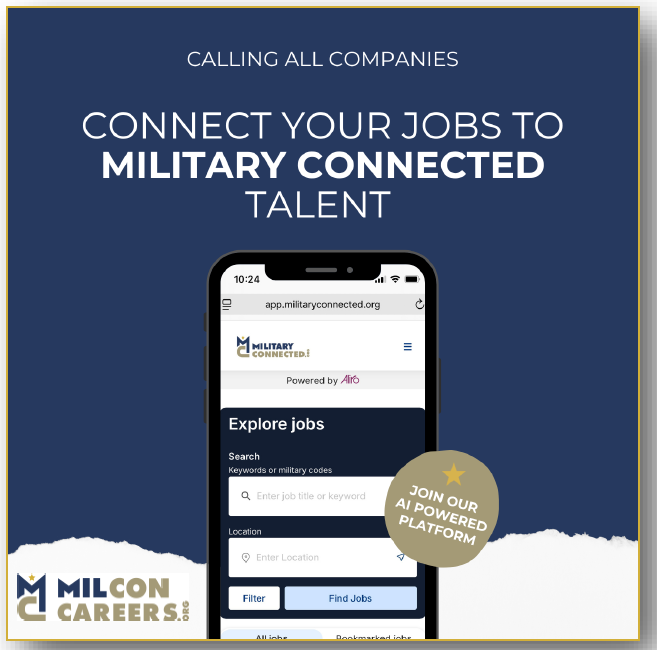
Pair wellness with concrete career progress. Update your free MilCon Careers profile so employers can better understand your skills. Explore free training through partners such as Verizon Skill Forward and edX to close any technical gaps and build confidence. Connect with mentorship that understands both military experience and civilian hiring realities.

Progress on the career side often reduces mental load at the same time.
Rebuild simple daily structure. Consistent sleep schedules, regular movement, and focused blocks of work recreate the rhythm many veterans miss after service. This structure supports mental clarity, reduces decision fatigue, and makes the job search more productive and sustainable.
Treat support as routine maintenance. Just as you would not ignore a physical injury or skip equipment checks before a mission, do not ignore mental health before the next stage of your career. Regular check-ins with yourself or a trusted resource keep small issues from becoming larger obstacles.
Veterans Day falls on Wednesday, November 11. The weeks leading up to it offer a natural window to reinforce both your readiness and your support system. The holiday season that follows can bring additional social and emotional demands; entering that period with clearer habits and stronger resources makes a measurable difference. Mental wellness is not separate from career success—it is part of the foundation that makes success sustainable over months and years rather than weeks.
You already know how to prepare for demanding environments. Applying that same standard to your mental health is one of the most practical steps you can take this month. It protects your energy, improves your performance in interviews and new roles, and supports the long-term career trajectory you are building.
Take the next step: Create or update your free account at milconcareers.org to access career translation tools, free training opportunities, coaching, and connections that support both your job search and your overall well-being. The resources are designed for the military-connected community and available at no cost.
Connection Over Isolation — Building the Support Network That Protects Mental Health and Opens Career Doors
One of the most common and under-recognized challenges after leaving service is isolation. The shared mission, daily structure, clear hierarchy, and tight-knit teams of military life do not automatically transfer to civilian work and community. Many veterans discover that the people they once saw every day are now scattered across the country, and the new environments they enter—whether job interviews, civilian workplaces, or neighborhoods—do not automatically provide the same sense of belonging. Over time, that disconnection can quietly affect mental health, motivation, energy, and career progress.
Connection works in the opposite direction. Staying linked with other veterans, building relationships with people who understand your experience, and forming new professional ties reduce stress and create practical opportunities. Many veterans find that peer support is one of the most effective tools for navigating the transition. Strong social connection consistently protects mental wellness while also supporting job-search success through referrals, accountability, shared strategies, and introductions to employers who value military experience. Isolation, by contrast, tends to amplify stress and make the job search feel longer and more difficult than it needs to be.
November brings Veterans Day on Wednesday, November 11, along with shorter days and the start of the holiday season. For some veterans, the public recognition feels meaningful and affirming. For others, it can surface mixed feelings, a sense of distance, or reminders of what has changed since leaving service. Intentional connection makes a difference either way. It turns a potentially isolating period into one of renewed purpose, practical support, and forward momentum.
Ways to strengthen your network this month:
Reach out to one person who served with you or who clearly understands the transition. A brief, honest check-in often matters more than expected. It can restart a valuable relationship, surface useful information about civilian careers, or simply remind both of you that you are not navigating this alone.
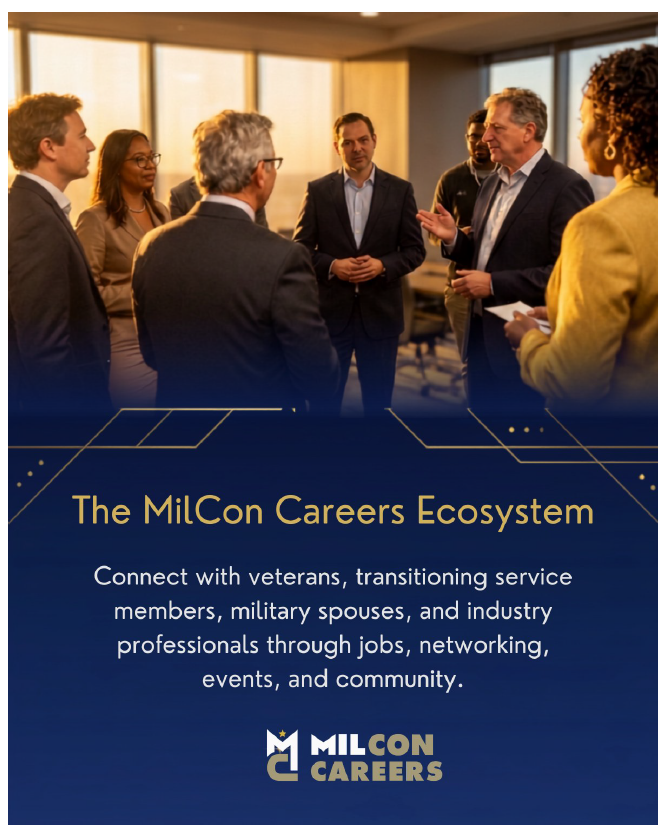
Use the mentorship and community features on MilCon Careers. The platform is built specifically for the military-connected community, so the people you meet there already understand the context of your experience. Connect with others who are navigating civilian careers, and engage with employers who actively seek and value military talent rather than viewing it as a translation challenge.
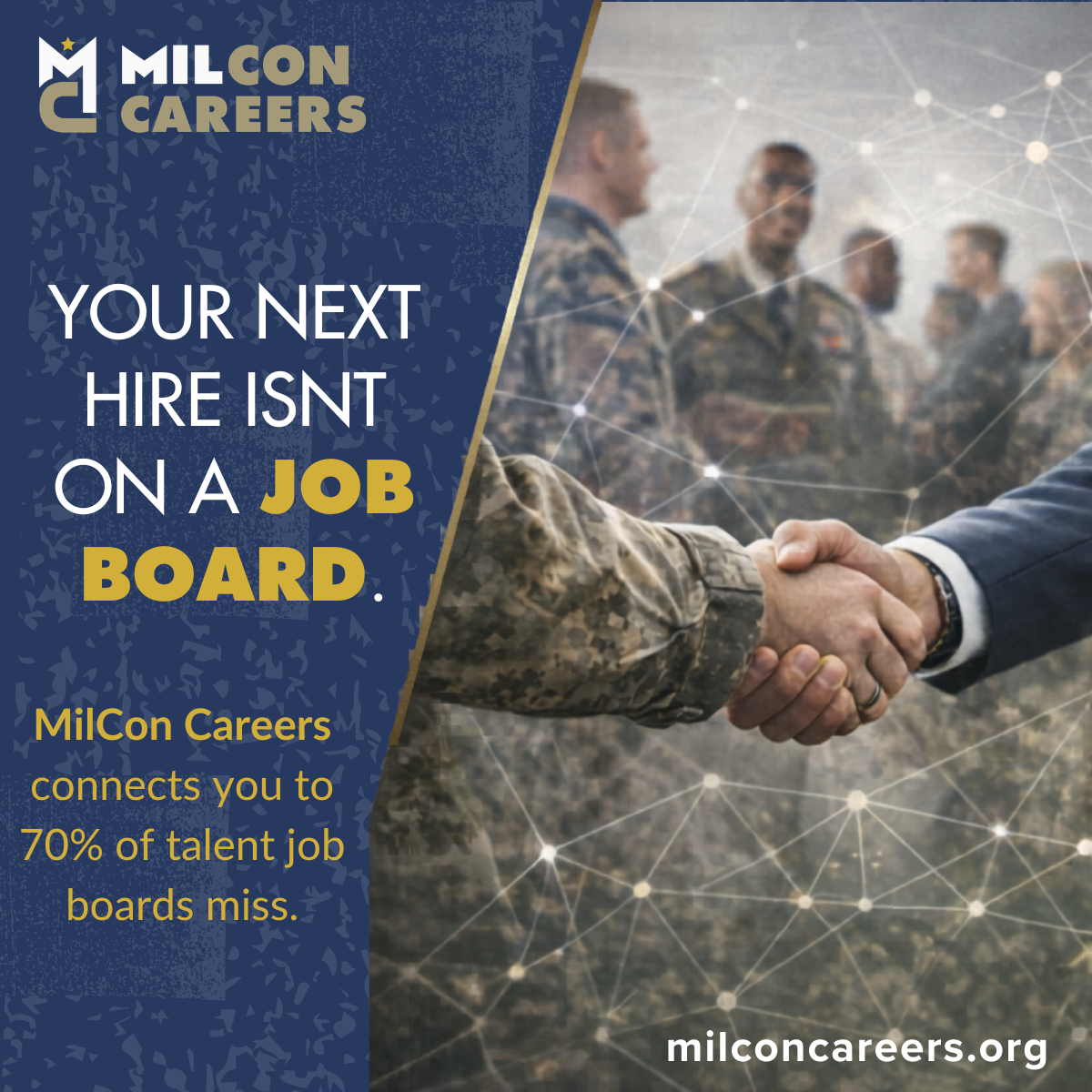
Re-engage with a local veteran group, peer support program, or professional network aligned with your goals. Consistent, low-pressure participation builds both belonging and opportunity over time. Many veterans find that showing up regularly creates relationships that later lead to job referrals or valuable advice.
Combine connection with career action. Share your updated profile, ask for introductions in areas of interest, or offer support to someone else who is earlier in their transition. Reciprocal relationships strengthen both mental health and professional momentum. Helping others often clarifies your own next steps and reinforces a sense of purpose.
Remember that both asking for help and offering it count as strength. The Veterans Crisis Line (call 988 and press 1, text 838255, or chat online) is available 24/7 for you or for anyone you are concerned about. Early, low-stakes outreach is usually more effective than waiting until a situation feels urgent.
Strong connections support mental health and career progress at the same time. They reduce isolation, provide encouragement during setbacks, supply practical information about civilian workplaces, and open doors that individual effort alone cannot always unlock. You do not have to navigate the transition alone. Building and maintaining your network is one of the most effective, high-return steps you can take this month—especially as Veterans Day and the holiday season approach.
The same habits that made you effective in service—looking out for your team, maintaining relationships, and preparing together—translate directly to civilian life when applied intentionally. Connection is not a soft skill separate from career success; it is one of the practical systems that protects wellness and accelerates opportunity.
Take the next step: Visit milconcareers.org to update your profile, explore mentorship and networking opportunities, and connect with Military-Ready employers and fellow members of the military-connected community. The platform is free for service members, veterans, and military families and designed to support both career progress and the connections that sustain it.

