Holistic Health for Transitioning Veterans:
As we transition from military to civilian life, our overall
well-being becomes more important than ever. Holistic
health—an approach that considers the whole person:
mind, body, spirit, and emotions—can be a powerful
framework for navigating this significant life change.
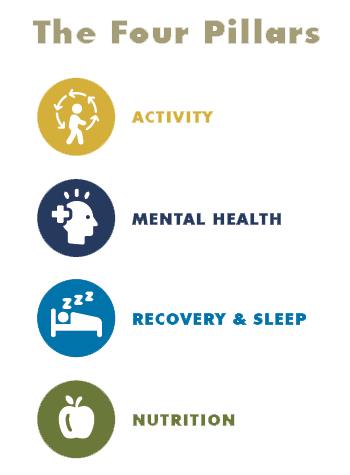
In this publication, we’ll use these pillars to help us
organize content, prioritize guests, and, most importantly,
offer the community of Military Families a diverse set of
ACTIVITY information to improve their overall health.

In the military, physical fitness was likely a structured part of your daily routine. The transition to civilian life can disrupt this structure, potentially leading to a decline in activity levels.
Impact of Transition:
- Loss of mandatory physical training sessions
- Decrease in job-related physical activities
- Potential weight gain and loss of muscle mass
Strategies for Maintaining Activity:
- Create a personal fitness routine to replace military PT
- Explore civilian sports leagues or fitness classes
- Set new fitness goals to stay motivated
- Consider active hobbies like hiking or cycling
Remember, staying active isn’t just about physical health—it also boosts mental well-being and can help establish a new routine in civilian life.
The transition from military to civilian life can be emotionally
draining. The loss of structure, camaraderie, and sense of
purpose can impact mental health significantly.
Impact of Transition:
- Increased risk of depression, anxiety, and PTSD
- Identity challenges as you shift from military to civilian roles
- Stress related to job hunting, financial changes,
and family dynamics
Strategies for Mental Wellness:
- Seek support from Veteran-focused mental health professionals
- Practice mindfulness and stress-reduction techniques
- Connect with other Veterans through support groups
- Set new personal and professional goals
- Consider volunteering to stay engaged
Remember, seeking help is a sign of strength, not weakness.
Many resources are available
Military life often involves irregular sleep patterns
due to deployments, night shifts, or early morning PT.
Transitioning to civilian life provides an opportunity to
establish a healthy sleep routine.
Impact of Transition:
- Disruption of military sleep routines
- Potential sleep disorders related to service (e.g., sleep apnea, insomnia)
- Nighttime anxiety or hypervigilance
Strategies for Better Sleep and Recovery:
- Establish a consistent sleep schedule
- Create a relaxing bedtime routine
- Make your sleeping environment comfortable
- Limit caffeine and alcohol (especially in the evening)
- Consider sleep aids or therapy if issues persist
significantly ease your transition.
Military life often comes with structured meal times and
limited food choices. The transition to civilian life brings
more dietary freedom, but also more responsibility for
making healthy choices.
Impact of Transition:
- Shift from dining facilities to self-prepared meals
- Potential weight fluctuations due to dietary changes
- Need to learn meal planning and preparation skills
Strategies for Healthy Nutrition:
- Learn basic cooking skills and meal prep techniques
- Focus on a balanced diet rich in fruits, vegetables,
lean proteins, and whole grains - Stay hydrated throughout the day
- Be mindful of portion sizes
- Consider consulting a nutritionist for personalized advice
Remember, 60-70% of BMI is dictated by what you put in
your body. We don’t have to track our macros like a body
builder, but we do need to set health eating strategies.

Going Beyond the Obvious:
Crafting a Health Routine That Truly Lasts
When transitioning from military life, the health routine you establish should go deeper than simply hitting the gym or sticking to a rigid workout schedule. Here are five often overlooked but powerful approaches to creating a routine that not only works but inspires lasting change.
1. Inspiration and Connection: Find What Truly Moves You
It’s not just about finding motivation—it’s about understanding what inspires you and how it connects to the people you care about. True inspiration comes from personal meaning and is often driven by your relationships and sense of purpose.
Ask yourself: What activities resonate deeply with you? What gets you out of bed when you’re stuck?
Draw on relationships: Imagine walking your children down the aisle, staying fit to keep up with your nieces and nephews at family gatherings, or sharing a healthy, active life with your partner. Your health goals can serve as a way to build stronger connections with those who matter most to you.
Finding inspiration in something bigger than routine workouts, especially when it’s tied to the people in your life, can fuel your drive powerfully than any short-term goal ever could.
2. Consistency and the
Power of Compounding
The most important part of any health routine is understanding the compounding effect of consistent action. Small, steady efforts over time lead to monumental shifts in your health and well-being:
Whether it’s improving flexibility, gaining strength, or reducing stress, the key is regular practice.
Think long-term: the small actions you take today will pay off in years to come.
It’s not about perfect performance;
it’s about showing up, day after day, allowing those consistent efforts to build up and create lasting change.
3. Embrace the Joy of
Trying Something New
Don’t limit yourself to static gym routines. Find something that brings
you joy and keeps you excited to move.
Try a new sport, take up tennis or golf,
or maybe something adventurous like
martial arts or dancing:
Mental and physical challenge:
Learning something new can reignite
your passion for movement and bring
both mental and physical hurdles that
keep you engaged.
Variety: Mixing up your activities
helps build a more dynamic, well-rounded sense of fitness.
By embracing activities that truly light you up, you’re creating a routine that doesn’t feel like a chore—it feels right.
4. Functional Fitness and
Social Connection
Instead of just focusing on aesthetics or
performance goals, prioritize functional
fitness and make movement a social
experience. This means engaging in
activities that prepare your body for
real-life situations while also using
fitness to build connections.
Functional fitness: Activities like
hiking, rock climbing, or paddleboarding
challenge your balance, coordination,
and mobility, keeping you agile and
strong for years to come.
Movement as a social connector: Join
a running group, hiking club, or sports
league. Setting fitness goals with a
partner or friend makes staying active a
shared experience, building community
and accountability.
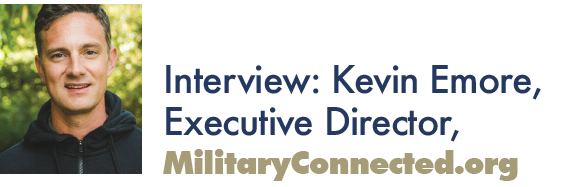
You worked on Nike’s global health initiatives. What was your role
and what can transitioning Veterans learn from it?
We redefined how employees and the market engaged with health. We were always promoting physical health, but needed to show health is more than your run time – it’s your nutrition, mental health, and overall well-being. The same applies to transitioning Veterans. Fitness in civilian life is much more diverse. Veterans need to think about more than physical fitness as we transition.
Nike, like the military, is a huge organization. How do you create health programs for these diverse groups?
The key is recognizing there’s no one-size-fits-all solution. At Nike, we created strategies with strong values but tailored them to different cultures. For Veterans, it’s similar—you have to find what works for your unique circumstances. Joining sports teams or activity groups, like Team Red, White, and Blue, can help. Identity and community are vital, and physical activity can be a great way to rebuild those connections.
You’ve been an athlete all your life, from hockey at West Point and overseas to leading the Flyers Warriors. What are some insights for working with Veterans across different transition stages?
Creating a welcoming community is vital. Veterans need to be welcomed, but they also need accountability. That’s how we are, we shine with standards and expectations. Even small commitments like community service help ensure Veterans stay involved. Competition is also great for Veterans, it’s intrinsic to who we are and keeps us engaged. Our Flyer Warriors program excels with 80-90 Veterans at practice every Sunday because we follow these principles, balancing support with accountability and competition.

It is important to understand how many service members transition from military
to civilian life each year. The following is some quick statistics compiled from the
2022 Military Separation Data from Military
OneSource.
- Nearly 2.7 million service members separated from military service, about the
population size of Kansas or Mississippi. - The vast majority (2.4 million; 88.9% separations were service members retiring.
- 1.6 million (66.6%) active-duty service members retired
- 800,000 (33.4%) reservists and guard members retired
- “Non-disability” retirement type made up 86.7% of all retirements.
- Three-quarters (76.3%) of separating service members were enlisted.

